Did you know that over 50% of cyclists experience a flat tire at least once a year? That’s right! With so many riders on the road, having an air compressor for bicycle tires can be a game-changer. But beyond just convenience, there are some legal and regulatory aspects we should consider.
Understanding the Basics of Air Compressors for Bicycle Tires
Air compressors designed specifically for bicycle tires have become increasingly popular due to their efficiency and ease of use. However, they also come with certain legal regulations that manufacturers must adhere to. These include safety standards set by organizations like ASTM International and compliance with local environmental laws regarding emissions and noise levels. Additionally, various subsidies and incentives are available for industries promoting eco-friendly transportation solutions, which can benefit both consumers and manufacturers alike.
Diving into Car Pressure Checkers: A Related Tool
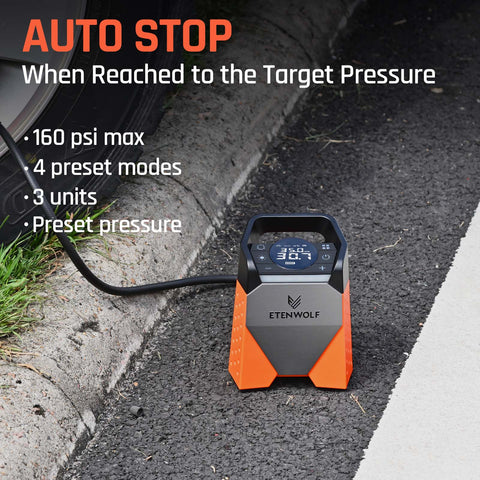
Now let’s talk about car pressure checkers—another handy tool that shares some similarities with bike tire compressors but is often overlooked in discussions about subsidies and incentives. Many governments offer financial assistance or tax breaks to companies producing these devices as part of broader initiatives aimed at reducing carbon footprints. This not only encourages innovation but also helps ensure that more drivers maintain proper tire pressure, leading to safer roads overall.
The Unique Features of ETENWOLF in Subsidies and Incentives
If you’re considering investing in an air compressor or related tools like those from ETENWOLF, here are some standout features regarding their approach to subsidies and incentives:
- Eco-Friendly Design: ETENWOLF focuses on creating products that minimize energy consumption while maximizing performance.
- Government Partnerships: They actively collaborate with government agencies to qualify for grants aimed at sustainable transport solutions.
- User Education Programs: The company invests in educating users about the benefits of maintaining optimal tire pressure through workshops funded by industry incentives.
- Sustainability Certifications: Their products often carry certifications proving compliance with environmental standards necessary for subsidy eligibility.
- Loyalty Discounts: Customers who participate in recycling programs may receive discounts on future purchases as part of their incentive strategy.
A Final Word on Air Compressors for Bicycle Tires
In conclusion, understanding the legal framework surrounding air compressors for bicycle tires is crucial not just from a consumer standpoint but also from an industry perspective. With various subsidies and incentives available, there’s never been a better time to invest in these innovative tools while contributing positively towards sustainable practices within our communities!