In today’s competitive business environment, strategic intelligence is a critical tool for organizations aiming to make informed decisions and secure long-term success. Strategic intelligence involves systematically gathering, analyzing, and applying data to support strategic decision-making and enhance organizational performance. To Principios de Inteligencia Estratégica effectively harness strategic intelligence, organizations must adhere to several core principles. These principles ensure that intelligence efforts are focused, relevant, and impactful. Here’s a comprehensive look at the essential principles that underpin successful strategic intelligence.
1. Establish Clear and Specific Objectives
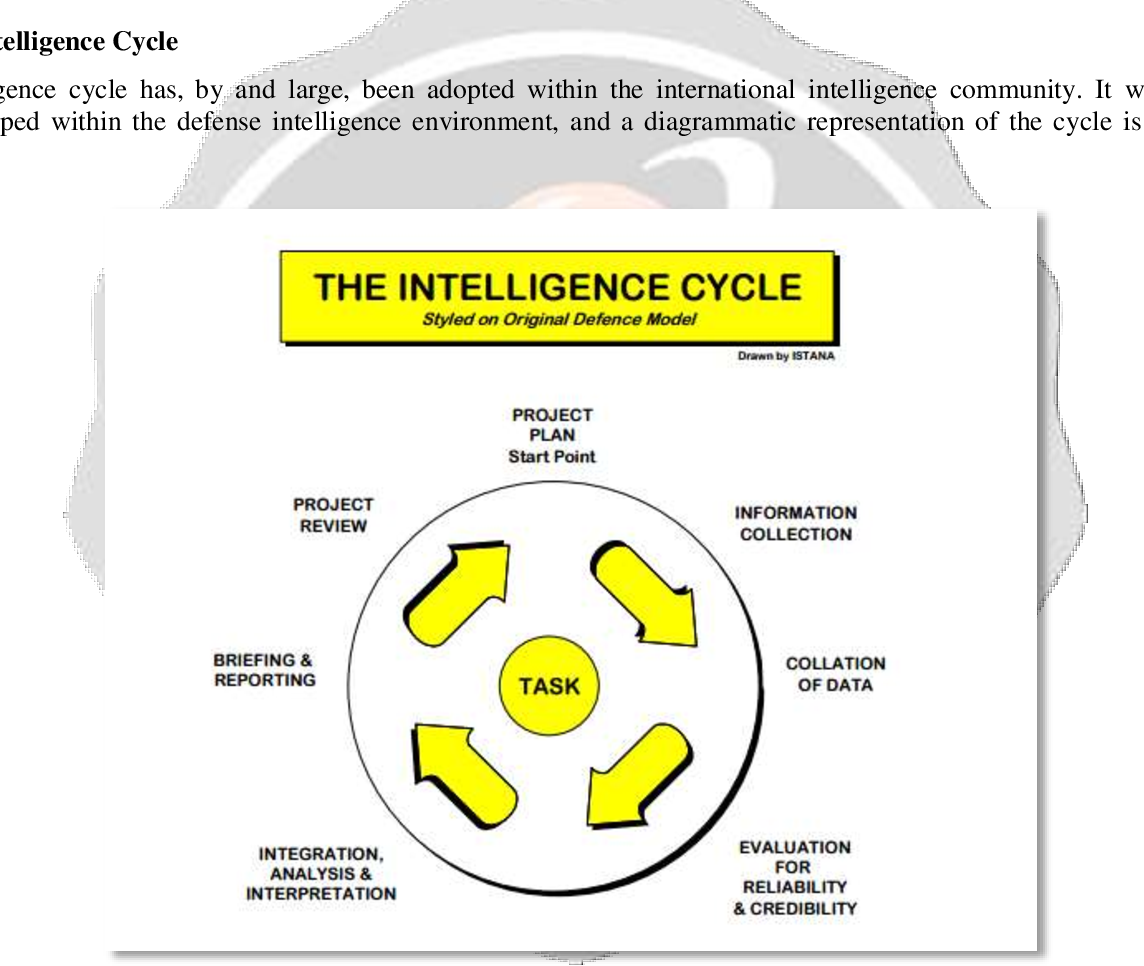
The foundation of strategic intelligence lies in establishing clear and specific objectives. Organizations must define what they aim to achieve through their intelligence efforts, whether it’s gaining insights into market trends, assessing competitive threats, or identifying new growth opportunities. By setting precise objectives, organizations can direct their intelligence activities effectively, ensuring that data collection and analysis are aligned with their strategic goals. Clear objectives help streamline efforts, avoid gathering irrelevant data, and ensure that the insights generated are actionable and directly related to the organization’s strategic priorities.
2. Implement a Structured Data Collection Approach
A systematic approach to data collection is crucial for generating reliable and actionable intelligence. Organizations should develop and implement structured methodologies to gather data from various sources, including market research, customer feedback, competitor analysis, and internal performance metrics. Utilizing advanced tools and technologies, such as data analytics platforms and business intelligence systems, can significantly enhance the accuracy and efficiency of data collection. A well-organized data collection process ensures that the information is comprehensive, up-to-date, and relevant, providing a strong foundation for insightful analysis and strategic decision-making.
3. Apply Advanced Analytical Techniques
Turning raw data into actionable insights requires the use of advanced analytical techniques. Strategic intelligence involves analyzing data to uncover patterns, trends, and correlations that can inform strategic decisions. Techniques such as trend analysis, SWOT analysis, and predictive modeling are essential for interpreting data effectively. These analytical methods enable organizations to forecast future developments, understand market dynamics, and assess the potential impact of various factors on their strategic objectives. By employing robust analytical techniques, businesses can ensure that their insights are evidence-based and support effective strategic planning and decision-making.
4. Communicate Insights Clearly and Effectively
Effective communication of insights is a crucial principle of strategic intelligence. The findings from data analysis must be presented in a clear, concise, and actionable manner. This involves creating detailed reports, visualizations, and presentations that translate complex data into understandable information. Clear communication ensures that stakeholders can easily interpret the insights and apply them to strategic planning and execution. By making data accessible and comprehensible, organizations can bridge the gap between analysis and implementation, enhancing the overall impact of their intelligence efforts and facilitating informed decision-making.
5. Embrace Continuous Improvement
Strategic intelligence processes should be subject to continuous improvement to remain effective and relevant. The business environment is dynamic, with frequent changes in market conditions, technology, and competitive pressures. Organizations need to regularly review and refine their intelligence practices, including updating data collection methods, reassessing analytical techniques, and incorporating new tools and technologies. Embracing a culture of continuous improvement ensures that strategic intelligence remains agile and responsive to evolving challenges, enhancing its ability to support informed decision-making and strategic planning.
6. Integrate Intelligence into Strategic Planning
Integrating strategic intelligence into the broader strategic planning process is essential for maximizing its value. Intelligence should be seamlessly incorporated into the organization’s strategic framework rather than functioning as a standalone activity. This integration ensures that insights derived from strategic intelligence directly inform and shape strategic initiatives and decisions. By embedding intelligence into strategic planning, organizations can better navigate uncertainties, capitalize on emerging opportunities, and achieve their long-term objectives. Effective integration enhances the organization’s ability to make data-driven decisions and maintain a competitive advantage in a complex and ever-changing business landscape.
In conclusion, the principles of strategic intelligence—establishing clear objectives, implementing a structured data collection approach, applying advanced analytical techniques, communicating insights clearly, embracing continuous improvement, and integrating intelligence into strategic planning—are fundamental to leveraging information for organizational success. By adhering to these principles, businesses can enhance their strategic capabilities, make informed decisions, and navigate the complexities of today’s business environment with greater confidence and agility.